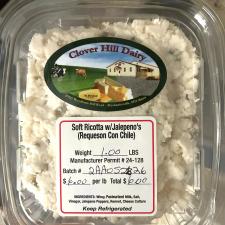
The FDA and CDC, in collaboration with state and local partners, are investigating a multi-state, multi-year outbreak of Listeria monocytogenes infections potentially linked to requeson, a soft cheese similar to ricotta. 

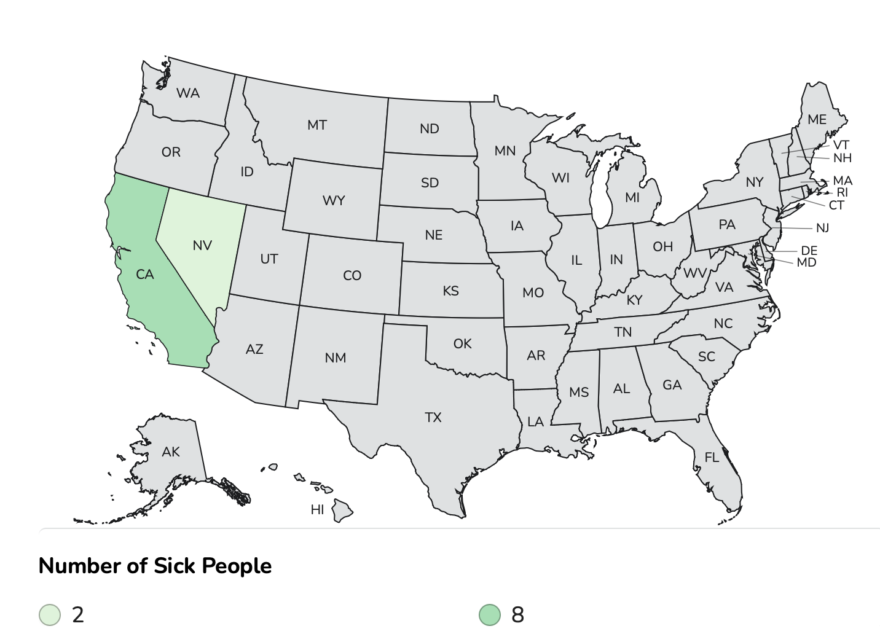
Based on epidemiological information collected by CDC, a total of 8 people infected with the outbreak strain of Listeria have been reported from 3 states. Sick people’s samples were collected on dates ranging from March 6, 2023, to May 9, 2026. Of the 7 people interviewed, 5 reported eating any cheese. Two people (29%) reported eating requeson made by Clover Hill Dairy. There have been 7 hospitalizations, and one death reported.

On May 13, 2026, the Suffolk County Health Department (SCHD) notified the New York State Department of Agriculture & Markets (NYS AGM) of two related Listeria monocytogenesillnesses from the same family, who had purchased food from a local retailer in Brentwood, NY. The following day, the New York State Department of Health (NYS DOH) confirmed that both cases had consumed requeson cheese purchased at that retailer. NYS AGM investigators tested five cheese samples collected from the retailer. One sample of requeson that had been repacked by the retailer tested positive for Listeria monocytogenes, and whole genome sequencing (WGS) confirmed the strain of Listeriafound in the requeson cheese matches the strain of Listeria causing illnesses in the two New York cases who reported purchasing cheese from this retailer. 

On May 27, 2026, NYS AGM conducted an inspection at the retailer’s cheese distributor, which identified Clover Hill Dairy, LLC of Mechanicsville, MD as the requeson cheese manufacturer. A sample collected from an unopened 18-pound sealed bucket of requeson manufactured by Clover Hill Dairy, LLC also tested positive for Listeria monocytogenes; WGS analysis is pending. 

On June 3, 2026, Clover Hill Dairy, LLC issued a voluntary recall of its requeson/soft ricotta products. Consumers and retailers should not eat, serve, or sell recalled requeson cheese.

Due to the public health risk, the Maryland Department of Health has suspended the Clover Hill Dairy LLC’s operating license, issued a Consumer Advisory, and is conducting a follow up evaluation in cooperation with the facility.

Two cheeses are being pulled from shelves at a few Connecticut stores due to listeria concerns ahead of the Thanksgiving holiday.

Ambriola Company, which produces certain Boar’s Head products, has issued a recall for their Locatelli Pecorino Romano cheese and grated cheese due to the potential presence of listeria monocytogenes.

Stores including Big Y and Wegmans are warning consumers about the recall and are pulling the cheese from their shelves.

The company said the following cheeses are included in the recall:
· Boar’s Head Grated Pecorino Romano Cheese
o   UPC: 0-42421-05858
o   6-ounce; sell by 11/21/25 to 3/12/26
· Boar’s Head Pecorino Romano Cheese
o   UPC: 0-42421-15160
o   7-ounce; sell by 11/25/25 to 5/11/26

Big Y said the Boar’s Head Pecorino Romano Cheese isn’t directly impacted, but the company has issued a voluntary market withdrawal.

Eating food with listeria monocytogenes can cause listeriosis, a serious infection that primarily affects older adults, people with weakened immune systems and pregnant women and their newborns. It can cause fever, muscle aches, stiff neck, confusion, loss of balance and convulsions sometimes preceded by diarrhea or other gastrointestinal symptoms.
 

Since the last update on September 25, 2025, a total of 7 new illnesses and 3 new states have been reported, with 2 additional deaths reported, one each from Hawaii and Oregon. 

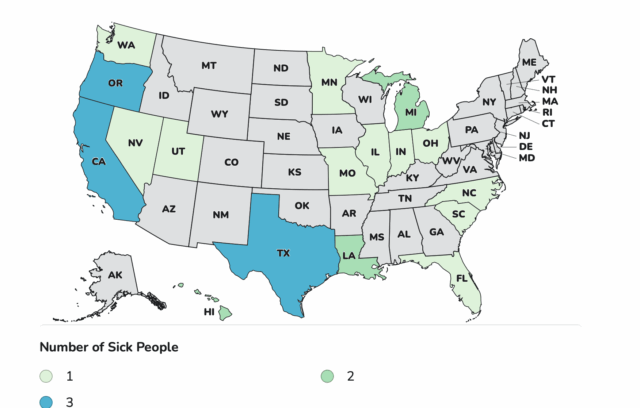
A total of 27 people infected with the outbreak strain of Listeria have been reported from 18 states. California 3, Hawaii 2, Florida 1, Illinois 1, Indiana 1, Louisiana 2, Michigan 2, Minnesota 1, Missouri 1, North Carolina 1, Nevada 1, Ohio 1, Oregon 3, South Carolina 1, Texas 3, Utah 1, Washington 1.

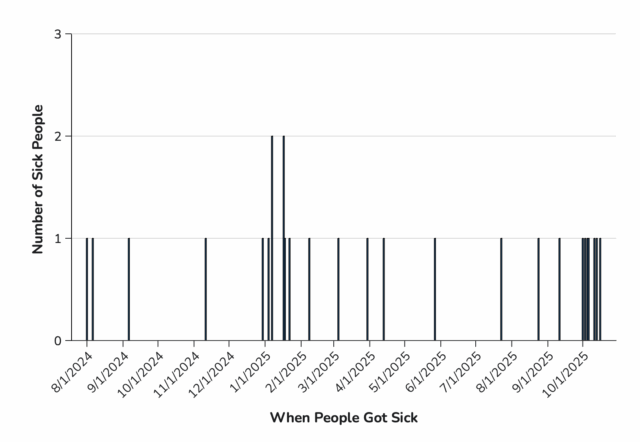
Sick people’s samples were collected on dates ranging from August 1, 2024, to October 16, 2025. Of 26 people with information available, 25 have been hospitalized and 6 deaths have been reported. One death from each of the following states: Hawaii, Illinois, Michigan, Oregon, Texas, and Utah. One pregnancy-associated illness resulted in a fetal loss.

Note: Epidemiologic, laboratory, and traceback data show that certain meals produced by FreshRealm are contaminated with Listeria monocytogenes and are making people sick. Pasta from Nate’s Fine Foods was an ingredient in FreshRealm beef meatball marinara linguine meals. This pasta tested positive for Listeria and whole genome sequencing Pasta used in the meal tested positive for Listeria. Whole genome sequencing results show the Listeria in the pasta is the same strain making people sick.

Recalls:

  • Sprouts Farmers Market Smoked Mozzarella Pasta Salad – product use by dates 10/10/25 – 10/29/25 (Sprouts Farmers Market recall)
  • Giant Eagle smoked mozzarella pasta salad – expiration dates 9/30/25 through 10/7/25 (Giant Eagle recall
  • Kroger stores recalled deli bowtie and penne pasta salads – sold on AUG 29 2025 thru OCT 2 2025 (Kroger recall
  • Scott & Jon’s Shrimp Scampi with Linguini Bowls 9.6-oz – best if used by dates of 3/12/2027, 3/13/2027, 3/17/2027, 3/21/2027 (Demers Food Group Recall)
  • Trader Joe’s Cajun Style Blackened Chicken Breast Fettucine Alfredo 16-oz plastic tray packages with “best if used by” dates of 9/20/2025, 9/24/2025, 9/27/2025, 9/28/2025, 10/01/2025, 10/03/2025, 10/05/2025, 10/08/2025, or 10/10/2025 (USDA FSIS public health alert)
  • Albertsons stores recalled store-made deli pasta salads – sell thru dates from SEP 8 2025 to OCT 4 25 (Albertsons recall)
  • Marketside Linguine with Beef Meatballs & Marinara Sauce 12-oz. – best if used by dates of SEP 22, 2025; SEP 24, 2025; SEP 25, 2025; SEP 29, 2025; SEP 30, 2025; and OCT 01, 2025 (USDA FSIS public health alert)
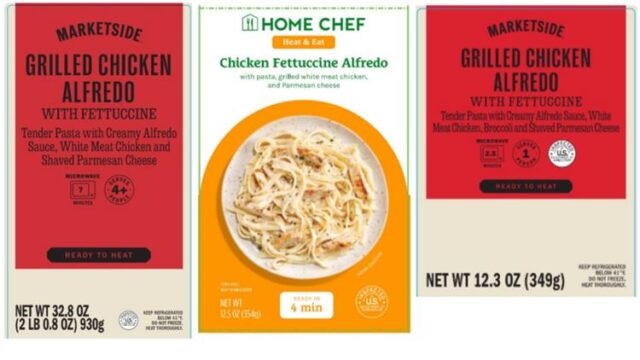
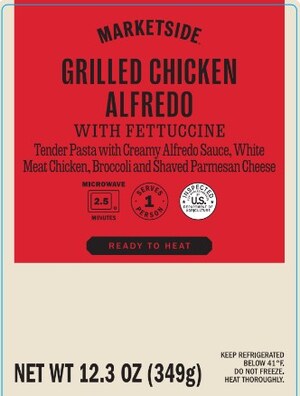
  • Marketside Grilled Chicken Alfredo with Fettuccine 12.3-oz – best-by date of June 26, 2025, or prior; and 32.8-oz – best-by date of June 27, 2025, or prior (FreshRealm recall)
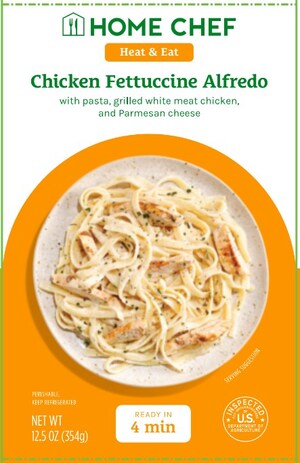
  • Home Chef Chicken Fettuccine Alfredo 12.5-oz – best-by date of June 19, 2025, or prior (FreshRealm recall)

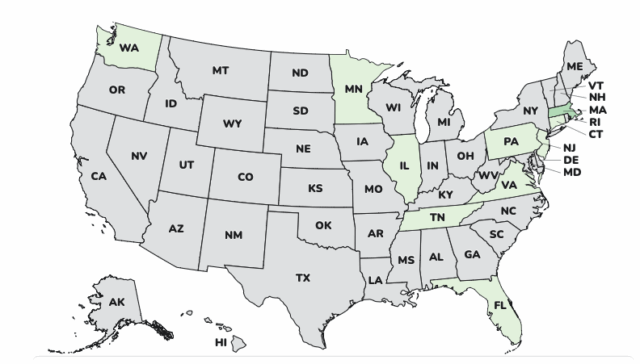
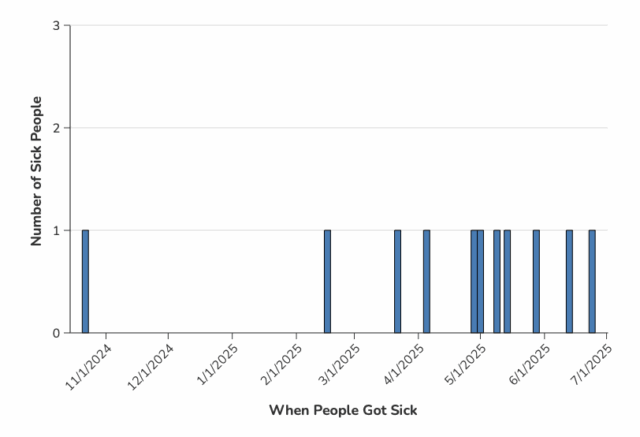
As of June 18, 2025, a total of 17 cases have been reported from 13 states. Of the 11 people interviewed, 7 reported eating precooked meals, and 4 (57%) specifically reported eating chicken fettuccine alfredo. Of 17 people with information, 16 (94%) were hospitalized and there are 3 deaths attributed to listeriosis. There is one pregnancy associated illness in a mother that resulted in a fetal loss.

FreshRealm Chicken Fettuccine Alfredo Meals produced prior to June 17, 2025, that are available under the following brand names:
• Marketside Grilled Chicken Alfredo with Fettuccine 12.3 oz – best-by date of June 26, 2025, or prior
• Marketside Grilled Chicken Alfredo with Fettuccine 32.8 oz – best-by date of June 27, 2025, or prior
• Home Chef Chicken Fettuccine Alfredo 12.5 oz – best-by date of June 19, 2025, or prior
• Establishment number “EST. P-50784,” “EST. P-47770,” or “EST. P-47718” appears on the label in the USDA mark of inspection.

FreshRealm Chicken Fettuccine Alfredo Meals may have been sold in the refrigerated sections of grocery stores and are intended for microwaving before eating. Consumers who are unsure if they have purchased this product are advised to contact their retailer.

On June 17, 2025, in response to this investigation, FreshRealm, Inc., recalled their pre-made chicken fettuccine alfredo products sold at Kroger and Walmart under the following brand names and packaging details:
• 32.8-oz. tray packages containing “MARKETSIDE GRILLED CHICKEN ALFREDO WITH FETTUCCINE Tender Pasta with Creamy Alfredo Sauce, White Meat Chicken and Shaved Parmesan Cheese” with best-by date 06/27/25 or prior.
• 12.3 oz. tray packages containing “MARKETSIDE GRILLED CHICKEN ALFREDO WITH FETTUCCINE Tender Pasta with Creamy Alfredo Sauce, White Meat Chicken, Broccoli and Shaved Parmesan Cheese” with best-by date 06/26/25 or prior.
• 12.5 oz. tray packages containing “HOME CHEF Heat & Eat Chicken Fettuccine Alfredo with pasta, grilled white meat chicken, and Parmesan cheese” with best-by date 06/19/25 or prior.

Home Chef Chicken Fettuccine Alfredo 12.5 oz
Marketside Grilled Chicken Alfredo with Fettuccine 12.3 oz

As of July 16, 11 people infected with the outbreak strain of Salmonella Anatum have been reported from 10 states. Illnesses started on dates ranging from October 22, 2024, to June 24, 2025. Of 9 people with information available, 4 have been hospitalizedNo deaths have been reported.

In May 2025, FDA collected samples of frozen sprouted mat (moth) and moong beans. The product samples tested positive for Salmonella and WGS analysis showed that the Salmonella present in the samples is the strain causing illnesses in this outbreak. This means that people likely got sick from eating sprouted beans.

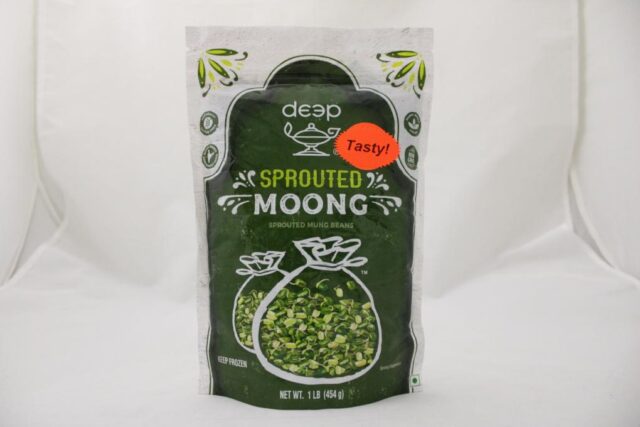
On July 16, 2025, Chetak LLC Group recalled Deep brand frozen sprouted moong beans and frozen sprouted moth (mat) beans. 

  • Deep brand Sprouted Mat (Moth) in 16-oz. packages with the following codes printed on the back side of the bag:
    • Lot code: IN 24330, 25072, 25108, 24353, 25171, 24297, 25058, 25078, 24291, 25107, 24354 AND 24292
  • Deep brand Sprouted Moong in 16-oz. packages with the following codes printed on the back side of the bag:
    • Lot code: IN 24330, 25072, 25108, 24353, 25171, 24297, 25058, 25078, 24291, 25107, 24354 AND 24292

See recall notice for more information.

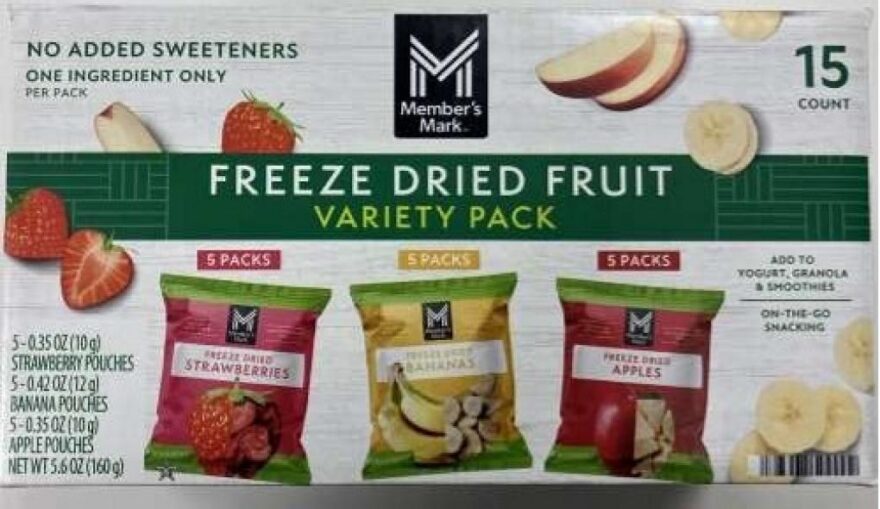
Doehler Dry Ingredient Solutions, LLC is recalling Member’s Mark Freeze Dried Fruit Variety Pack 15 count boxes, UPC 1 93968 50900 2 due to contamination with Listeria monocytogenesListeria monocytogenes, an organism which can cause serious and sometimes fatal infections in young children, frail or elderly people, and others with weakened immune systems. Although healthy individuals may suffer only short-term symptoms such as high fever, severe headache, stiffness, nausea, abdominal pain and diarrhea, a Listeria monocytogenes infection can cause miscarriages and stillbirths among pregnant women.

No illnesses have been reported to date.

Products affected are:

PRODUCT SIZE UPC LOT/MFG CODES USE BY DATE 
Member’s Mark
Freeze Dried Fruit
Variety Pack
15 count1 93968 50900 22517506/24/2027
Member’s Mark
Freeze Dried Fruit
Variety Pack
15 count1 93968 50900 22517606/25/2027
Member’s Mark
Freeze Dried Fruit
Variety Pack
15 count1 93968 50900 22517706/26/2027
Member’s Mark
Freeze Dried Fruit
Variety Pack
15 count1 93968 50900 22518106/30/2027
Member’s Mark
Freeze Dried Fruit
Variety Pack
15 count1 93968 50900 22518207/01/2027
Member’s Mark
Freeze Dried Fruit
Variety Pack
15 count1 93968 50900 22518307/02/2027
Member’s Mark
Freeze Dried Fruit
Variety Pack
15 count1 93968 50900 22518407/03/2027
Member’s Mark
Freeze Dried Fruit
Variety Pack
15 count1 93968 50900 22518607/05/2027
Member’s Mark
Freeze Dried Fruit
Variety Pack
15 count1 93968 50900 22518807/07/2027
Member’s Mark
Freeze Dried Fruit
Variety Pack
15 count1 93968 50900 22518907/08/2027
Member’s Mark
Freeze Dried Fruit
Variety Pack
15 count1 93968 50900 22519007/09/2027
Member’s Mark
Freeze Dried Fruit
Variety Pack
15 count1 93968 50900 22519107/10/2027
Member’s Mark
Freeze Dried Fruit
Variety Pack
15 count1 93968 50900 22519207/11/2027
Member’s Mark
Freeze Dried Fruit
Variety Pack
15 count1 93968 50900 22519607/15/2027
Member’s Mark
Freeze Dried Fruit
Variety Pack
15 count1 93968 50900 22519707/16/2027
Member’s Mark
Freeze Dried Fruit
Variety Pack
15 count1 93968 50900 22519807/17/2027
Member’s Mark
Freeze Dried Fruit
Variety Pack
15 count1 93968 50900 22519907/18/2027
Member’s Mark
Freeze Dried Fruit
Variety Pack
15 count1 93968 50900 22520207/21/2027
Member’s Mark
Freeze Dried Fruit
Variety Pack
15 count1 93968 50900 22520307/22/2027
Member’s Mark
Freeze Dried Fruit
Variety Pack
15 count1 93968 50900 22520407/23/2027
Member’s Mark
Freeze Dried Fruit
Variety Pack
15 count1 93968 50900 22520507/24/2027
Member’s Mark
Freeze Dried Fruit
Variety Pack
15 count1 93968 50900 22520607/25/2027

The firm discovered the problem via internal testing of their products. The products were distributed between 7/1/2025-7/25/2025 and sold in Sam’s Club retail stores. These products were packaged in foil pouches inside a corrugated box. The lot number and expiration date are located on the bottom of the case. Product was shipped to distribution centers in the following states: AL, AZ, CA, CO, CT, DE, FL, GA, HI, IA, ID, IL, IN, KS, LA, MD, ME, MI, MN, MO, MS, MT, NC, ND, NE, NH, NJ, NM, NV, NY, OH, OK, PA, PR, SC, SD, TN, TX, UT, VA, WI, WV, WY. Consumers who have this product in their possession should not consume the product. 

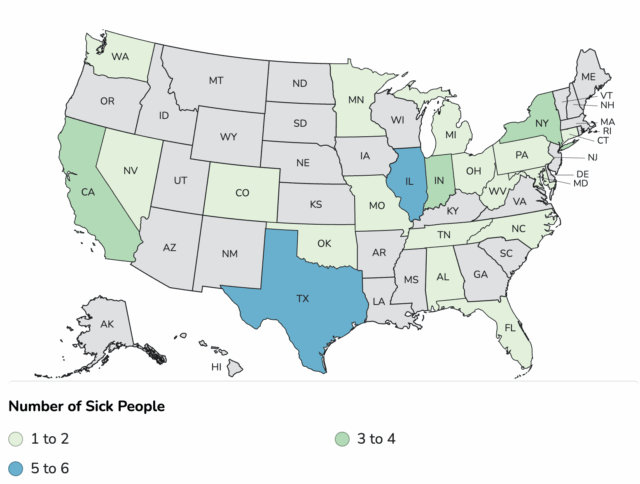
A total of 42 people infected with the outbreak strain of Listeria monocytogenes were reported from 21 states – Alabama, California, Colorado, Connecticut, Florida, Illinois, Indiana, Maryland, Michigan, Minnesota, Missouri, North Carolina, Nevada, New York, Ohio, Oklahoma, Pennsylvania, Tennessee, Texas, Washington, and West Virginia. 

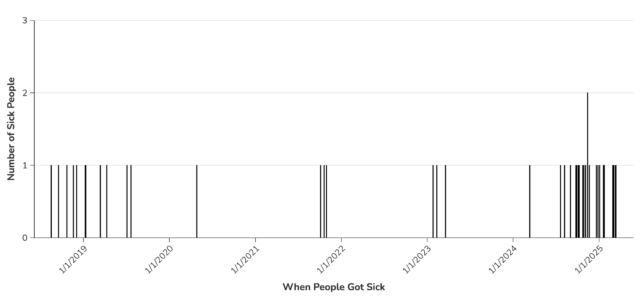
Illnesses started on dates ranging from August 17, 2018, to March 13, 2025. Of 42 people with information available, 41 were hospitalized. A total of 14 deaths were reported from 9 states: California, Illinois, Indiana, Michigan, Minnesota, North Carolina, New York, Tennessee, Texas, and Washington. Most people in this outbreak reported living in long-term care facilities or were hospitalized prior to becoming sick.

The true number of sick people in this outbreak was likely higher than the number reported, and the outbreak may not have been limited to the states with known illnesses. This is because some people recover without medical care and are not tested for Listeria.

Public health officials collect many different types of information from sick people, including their age, race, ethnicity, other demographics, and the foods they ate in the month before they got sick. This information provides clues to help investigators identify the source of the outbreak.

On February 22, 2025, Lyons Magnus LLC initiated a recall of 4 oz. Lyons ReadyCare and Sysco Imperial Frozen Supplemental Shakes.

Item NumberProduct NameBB (Best Buy)
1733ReadyCare Frozen Vanilla Shake022125 to 022126
1734ReadyCare Frozen Chocolate Shake022125 to 022126
1735ReadyCare Frozen Strawberry Shake022125 to 022126
1736ReadyCare Frozen Vanilla Shake NSA022125 to 022126
1737ReadyCare Frozen Strawberry Shake NSA022125 to 022126
1747ReadyCare Frozen Chocolate Shake Plus022125 to 022126
1749ReadyCare Frozen Strawberry Shake Plus022125 to 022126
1754ReadyCare Frozen Vanilla Shake Plus022125 to 022126
1844ReadyCare Frozen Strawberry Banana Shake NSA022125 to 022126
3633ReadyCare Frozen Chocolate Shake NSA022125 to 022126
3338Imperial Frozen Vanilla Shake022125 to 022126
3339Imperial Frozen Chocolate Shake022125 to 022126
3340Imperial Frozen Strawberry Shake022125 to 022126
3341Imperial Frozen Vanilla Shake NSA022125 to 022126
3342Imperial Frozen Strawberry Shake NSA022125 to 022126
3364Imperial Frozen Strawberry Banana Shake NSA022125 to 022126
3699Imperial Frozen Chocolate Shake NSA022125 to 022126

As of May 9, 2025, a total of 10 people infected with the outbreak strain of Listeria have been reported from two states. Sick people’s samples were collected on dates ranging from December 3, 2023, to September 9, 2024. Of 10 people with information available, all 10 have been hospitalized. No deaths have been reported.

The true number of sick people in this outbreak is likely higher than the number reported, and this outbreak may not have been limited to the states with known illnesses. This is because some people recover without medical care and are not tested for Listeria. Currently, there have been no illnesses identified in 2025. However, a recent environmental isolate was collected at Fresh & Ready Foods LLC and illnesses may not yet be reported.

CDC investigated this outbreak in 2024. Epidemiologic evidence in previous investigations identified that sick people were in healthcare settings such as hospitals prior to becoming sick, and the likely source was a food served in those types of institutions, but there was not enough information to identify a specific food. CDC reopened the investigation in April 2025 after the outbreak strain was found in environmental samples from Fresh & Ready Foods LLC.

State and local public health officials are interviewing people about the foods they ate in the month before they got sick. Of the six people with information, all six (100%) were hospitalized before becoming sick. Records reviewed from facilities indicated that ready-to-eat foods made by Fresh & Ready Foods LLC were served in at least three of the facilities.

On March 31, 2025, FDA collected environmental samples for testing at Fresh & Ready Foods, LLC. WGS showed that the Listeria in the environmental isolates were closely related to bacteria from sick people. This means that people likely got sick from eating ready-to-eat foods made by Fresh & Ready Foods LLC.

Records reviewed from facilities indicated that ready-to-eat foods made by Fresh & Ready Foods LLC were served in three facilities.

On May 10, 2025, Fresh & Ready Foods LLC recalled select ready-to-eat products, like sandwiches and protein snacks. 

Brand names include Fresh & Ready Foods, City Point Market Fresh Food to Go and Fresh Take Crave Away

Duda Farm Fresh Foods, Inc. is voluntarily issuing a precautionary advisory of a single production lot of washed and ready-to-eat 4 in/1.6oz Marketside Celery Sticks with best if used by date 03/23/2025.

This product is past its best if used by date and is no longer in stores, but consumers may have frozen the item for later use.

This advisory is being initiated due to the possibility of contamination with Listeria monocytogenes. The potential for contamination was discovered during random sampling by the Georgia Department of Agriculture from a Georgia store location where one of multiple samples yielded a positive test result.

Listeria monocytogenes is an organism which can cause serious and sometimes fatal infections in young children, frail or elderly people, and others with weakened immune systems. Although healthy individuals may suffer only short-term symptoms such as high fever, severe headache, stiffness, nausea, abdominal pain and diarrhea, Listeria monocytogenes infection can cause miscarriages and stillbirths among pregnant women.

The specific products involved are 4 count 4 in/1.6 oz bundle packs of Marketside Celery Sticks sold at Walmart stores identified by having a UPC code 6 81131 16151 0 on back of bag, with Best if Used by Date 03/23/2025, and Lot Code: P047650 on front of bag. All potentially affected products are past their expiration date and no longer for sale.

Consumers who have this product in their possession, including in their freezer, should not consume and discard the product.

The only products involved in this advisory can be identified with the following details:

Marketside Celery Sticks 4 in/1.6 oz Bundle Pack

Store: Walmart 
Distributed to select stores in:AL, CA, CO, DC, DE, FL, GA, HI, IA, IL, IN, KS, KY, MD, MI, MO, MT, NC, NJ, NY, OH, PA, SC, TN, TX, VA, WI, WV, WY.
Product UPC Code:6 81131 16151 0
Lot Code:P047650
Best If Used by Date:03/23/2025
Pack Size & Packaging:4/1.6-ounce, bag

The FDA and CDC, in collaboration with state and local partners, are investigating illnesses in a multistate outbreak of Listeria monocytogenes infections linked to Lyons ReadyCare and Sysco Imperial Frozen Supplemental Shakes.

On November 25, 2024, FDA was notified about an outbreak of Listeria monocytogenes in the United States, with many ill people residing in long-term care facilities (LTCF) prior to illness onset. FDA’s traceback investigation identified that each of the LTCF who supplied invoice information for review from 2024 to present received a frozen supplemental shake of either Lyons ReadyCare or Sysco Imperial brand. As part of this investigation, FDA collected environmental samples and found the outbreak strain of Listeria.

According to CDC, this outbreak includes cases dating back to 2018, with 20 cases across 2024 and 2025, and is currently ongoing. Epidemiologic evidence in previous investigations were unable to identify a source of the outbreak. As of February 21, 2025, a total of 38 people infected with the outbreak strain of Listeria monocytogenes have been reported from 21 states. Of the 38 people for whom information is available, 37 people have been hospitalized. Eleven deaths have been reported. Of the 38 people for whom information is available, 34 (89%) reported living in long term care facilities or were hospitalized prior to becoming sick. Records reviewed from facilities indicated nutritional shakes were available to residents.

FDA has been informed that certain Lyons ReadyCare and Sysco Imperial Frozen Supplemental Shakes are being voluntarily recalled.  FDA is working with the recalling firms. FDA’s investigation is ongoing, and more information will be provided as it becomes available.

Listeria is a gram-positive, rod-shaped bacterium that is ubiquitous and can grow under either anaerobic (without oxygen) or aerobic (with oxygen) conditions. 

A.        The Prevalence of Listeria in Food and the Environment

Listeriosis is one of the most important bacterial infections worldwide that arises mainly from the consumption of contaminated food.[1] The disease is caused by Listeria monocytogenes, which is considered an opportunistic pathogen that affects mainly those with underlying immune conditions, such as pregnant women, neonates, and elders, resulting in septicemia, meningitis, and/or meningoencephalitis. Of the six species of Listeria, only L. monocytogenes causes disease in humans. It thrives between bacteria 86-98.6oF (30-37oC), but Listeria can grow at temperatures as low as −0.4°C and survive in freezing conditions down to −18°C.[2] This unique quality allows thermal characteristics to be used as a means of differentiating Listeria from other possibly-contaminating bacteria. 

Listeria monocytogenes is omnipresent in nature; it is found widely in such places as water, soil, infected animals, human and animal feces, raw and treated sewage, leafy vegetables, effluent from poultry and meat processing facilities, decaying corn and soybeans, improperly fermented silage, and raw (unpasteurized) milk.[3]

Foodborne listeriosis is relatively rare but is a serious disease with high fatality rates (20%–30%) compared with other foodborne microbial pathogens. Severe L. monocytogenes infections are responsible for high hospitalization rates (91%) among the most common foodborne pathogens, may cause sporadic cases or large outbreaks, and can persist in food-processing environments and multiply at refrigeration temperatures, making L. monocytogenes a significant public health concern.[4]

Ready-to-eat foods are a notable and consistent source of Listeria. For example, a research study done by the Listeria Study Group found that L. monocytogenes grew from at least one food specimen in the refrigerators of 64% of persons with a confirmed Listeria infection (79 of 123 patients), and in 11% of more than 2,000 food specimens collected in the study. Moreover, 33% of refrigerators (26 of 79) contained foods that grew the same strain with which the individual had been infected, a frequency much higher than would be expected by chance. The danger posed by the risk of Listeria in ready-to-eat meats prompted the USDA to declare the bacterium an adulterant in these kinds of meat products and, as a result, to adopt a zero-tolerance policy for the presence of this deadly pathogen. The Code of Federal Regulations includes requirements for the post-lethality control of Listeria in meat and poultry products. This regulation is referred to as “The Listeria Rule” and was enacted in 2003. The rule outlines prevention and control measures that must be taken in processing facilities to reduce the risk of contamination of ready-to-eat products.[5]

B.        Transmission of and Infection with Listeria

Listeria typically spreads to people through contaminated food or water but can also be transmitted from mother to fetus.

Except for the transmission of mother to fetus, human-to-human transmission of Listeria is not known to occur. Infection is caused almost exclusively by the ingestion of the bacteria, most often through the consumption of contaminated food. The most widely accepted estimate of foodborne transmission is 85-95% of all Listeria cases. 

The infective dose—that is, the number of bacteria that must be ingested to cause illness—is not known but is suspected to vary based on the strain. In an otherwise healthy person, an extremely large number of Listeria bacteria must be ingested to cause illness—estimated to be somewhere between 10-100 million viable bacteria (or colony forming units “CFU”) in healthy individuals, and only 0.1-10 million CFU in people at high risk of infection. Even with such a dose, a healthy individual will suffer only a fever, diarrhea, and related gastrointestinal symptoms.

The amount of time from infection to the onset of symptoms—typically referred to as the incubation period—can vary to a significant degree.[6]

According to the CDC, symptoms of Listeria infection can develop at any time from the same day of exposure to 70 days after eating contaminated food. According to the FDA, gastroenteritis (or non-invasive illness) has an onset time of a few hours to 3 days, while invasive illness can have an onset varying from 3 days to 3 months. According to one authoritative text:

The incubation period for invasive illness is not well established, but evidence from a few cases related to specific ingestions points to 11 to 70 days, with a mean of 31 days. In one report, two pregnant women whose only common exposure was attendance at a party developed Listeria bacteremia with the same uncommon enzyme type; incubation periods for illness were 19 and 23 days.

Adults can get listeriosis by eating food contaminated with Listeria, but babies can be born with listeriosis if their mothers eat contaminated food during pregnancy. The mode of transmission of Listeria to the fetus is either transplacental via the maternal bloodstream or ascending from a colonized genital tract. Infections during pregnancy can cause premature delivery, miscarriage, stillbirth, or serious health problems for the newborn. Pregnant women make up around 30% of all infection cases while accounting for 60% of cases involving the 10- to 40-year age group.

C.        Who is most susceptible to Listeria monocytogenes infection?

Several segments of the population are at increased risk and need to be informed so that proper precautions can be taken. The body’s defense against Listeria is called “cell-mediated immunity” because the success of defending against infection depends on our cells (as opposed to our antibodies), especially lymphocytes, otherwise known as “T-cells.” Therefore, individuals whose cell-mediated immunity is suppressed are more susceptible to the devastating effects of listeriosis, including HIV-infected individuals, who have been found to have Listeria-related mortality of 29%. The incidence of Listeria infection in HIV-positive individuals is higher than in the general population. One study found that:

The estimated incidence of listeriosis among HIV-infected patients in metropolitan Atlanta was 52 cases per 100,000 patients per year, and among patients with AIDS it was 115 cases per 100,000 patients per year, rates 65-145 times higher than those among the general population. HIV-associated cases occurred in adults who were 29-62 years of age and in postnatal infants who were 2 and 6 months of age. 

Pregnant women naturally have a depressed cell-mediated immune system. While other systemic bacterial infections may result in adverse pregnancy outcomes at comparable frequencies, L. monocytogenes have notoriety because fetal complications largely occur in the absence of overt illness in the mother, delaying medical intervention. In addition, the immune systems of fetuses and newborns are very immature and are extremely susceptible to these types of infections. 

Other adults, especially transplant recipients and lymphoma patients, are given necessary therapies with the specific intent of depressing T-cells, and these individuals become especially susceptible to Listeria as well. Other adults, especially transplant recipients and lymphoma patients, are given necessary therapies with the specific intent of depressing T-cells, and these individuals become especially susceptible to Listeria as well.

According to the FDA, CDC, and other public health organizations, individuals at increased risk for being infected and becoming seriously ill with Listeria include the following groups:

  • Pregnant women: They are about 10-20 times more likely than other healthy adults to get listeriosis. About one-third of listeriosis cases happen during pregnancy. Fetuses are also highly susceptible to infection and severe complications.
  • Newborns: Newborns can develop life-threatening diseases from perinatal and neonatal infections 
  • Persons with weakened immune systems 
  • Persons with cancer, diabetes, kidney, or gastrointestinal disease 
  • Persons with HIV/AIDS: Individuals with HIV/AIDS are almost 300 times more likely to get listeriosis than people with healthy immune systems. 
  • Persons who take glucocorticosteroid medications (such as cortisone) 
  • Persons of advanced age: One risk assessment showed people over 60 years old were 2.6 times more likely to develop listeriosis than the general population. And in 2011, the median age of diagnosed cases in people who were not pregnant was 71 years old. 

D.        Symptoms of Listeriosis

Only a small percentage of persons who ingest Listeria fall ill or develop symptoms. For those who do develop symptoms because of their infection, the resulting illness is either mild or quite severe, in what is sometimes referred to as a “bimodal distribution of severity.”[7] Listeria can cause two different types of disease syndromes with differing severity. Non-invasive Listeria infection causes gastroenteritis with symptoms such as diarrhea, nausea, and vomiting that resolve on their own. Healthy adults without any immunocompromising conditions typically experience this milder version of the disease. The more severe type of disease caused by Listeria monocytogenes is called listeriosis and is referred to as an invasive illness. 

On the mild end of the spectrum, listeriosis usually consists of the sudden onset of fever, chills, severe headache, vomiting, and other influenza-type symptoms. Along these same lines, the CDC notes that infected individuals may develop fever, muscle aches, and sometimes gastrointestinal symptoms such as nausea or diarrhea. When present, the diarrhea usually lasts 1-4 days (with 42 hours being average), with 12 bowel movements per day at its worst.

The more severe form of the illness occurs when the bacteria infect parts of the body that are typically sterile, such as the blood, brain, liver, and cerebral spinal fluid. The presence of the bacteria in these areas triggers the immune response and can lead to those more severe symptoms. L. monocytogenes has a specific affinity for the central nervous system (CNS), especially in cell-mediated immunodeficient individuals.[8]

As already noted, when pregnant, women have a mildly impaired immune system that makes them susceptible to Listeria infection. If infected, the illness appears as acute fever, muscle pain, backache, and headache. The illness usually occurs in the third trimester, which is when immunity is at its lowest. Infection during pregnancy can lead to premature labor, miscarriage, infection of the newborn, or even stillbirth. Around twenty percent of such infections result in stillbirth or neonatal death. 

Newborns may present clinically with early-onset (less than 7 days) or late-onset forms of infection (7 or more days). Those with the early-onset form are often diagnosed in the first 24 hours of life with septicemia, meningitis, or respiratory distress and have a higher mortality rate. Early-onset listeriosis is most often acquired through trans-placental transmission. Late-onset neonatal listeriosis is less common and less severe than the early-onset form. Clinical symptoms may be subtle and include irritability, fever, poor feeding, and meningitis. The mode of acquisition of late onset listeriosis is poorly understood. 

E.        Complications of Listeria Infection

For those persons who suffer a Listeria infection that does not resolve on its own, the complications can be numerous and possibly severe. The most common complication is septicemia (bacterial infection in the blood), with meningitis being the second most common. Other complications can include inflammation of the brain or brain stem (encephalitis), brain abscess, inflammation of the heart-membrane (endocarditis), septic arthritis, osteomyelitis (infection in the bone), and localized infection, either internally or of the skin. 

Death is the most severe consequence of listeriosis, and it is tragically common. The CDC has estimated that L. monocytogenes is the third leading cause of death from foodborne illness, with approximately 260 of 1,600 people diagnosed dying from their infections. For example, based on 2018 FoodNet surveillance data, 96% of 126 Listeria cases ended up in the hospital, the highest hospitalization rate for pathogenic bacterial infection. This data showed a fatality rate of 21%. According to the FDA, the case-fatality rate increases substantially based on complications, possibly reaching rates of 70% in cases with listeria meningitis, 50% in septicemia cases, and over 80% for perinatal/neonatal infections. In one US study, L. monocytogenes was reportedly the cause of nearly 4% of all cases of bacterial meningitis.


[1]           Reda, W. W., Abdel-Moein, K., Hegazi, A., Mohamed, Y., & Abdel-Razik, K. (2016). Listeria monocytogenes: An emerging food-borne pathogen and its public health implications. The Journal of Infection in Developing Countries10(02), 149-154. https://doi.org/10.3855/jidc.6616

[2]           Santos, T., Viala, D., Chambon, C., Esbelin, J., & Hébraud, M. (2019, May 24). Listeria monocytogenes Biofilm Adaptation to Different Temperatures Seen Through Shotgun Proteomics. https://www.frontiersin.org/articles/10.3389/fnut.2019.00089/full. 

[3]           Manning, A. (2019). Microbial Food Spoilage and Food Borne Diseases. In Food microbiology and food processing (pp. 125–130). Chapter 2. ED-TECH PRESS. 

[4]           Arslan, F., Meynet, E., Sunbul, M. et al. The clinical features, diagnosis, treatment, and prognosis of neuroinvasive listeriosis: a multinational study. Eur J Clin Microbiol Infect Dis 34,1213–1221 (2015). https://doi.org/10.1007/s10096-015-2346-5

[5]           USDA Staff. (2014, January 1). Controlling Listeria monocytogenes in Post-lethality Exposed Ready-to-Eat Meat and Poultry Products. https://www.fsis.usda.gov/wps/portal/fsis/topics/regulatory-compliance/guidelines/2014-0001.

[6]           Goulet V, King LA, Vaillant V, de Valk H. What is the incubation period for listeriosis? BMC Infect Dis. 2013; 13:11. Published 2013 Jan 10. doi:10.1186/1471-2334-13-11

[7]           Waldron, C. M. (2017, September 15). The Recovery and Transfer of Aerosolized Listeria Innocua. https://vtechworks.lib.vt.edu/handle/10919/78907. 

[8]           Arslan, F., Meynet, E., Sunbul, M., Sipahi, O. R., Kurtaran, B., Kaya, S., … Mert, A. (2015, June). The clinical features, diagnosis, treatment, and prognosis of neuroinvasive listeriosis: a multinational study. European journal of clinical microbiology & infectious diseases: official publication of the European Society of Clinical Microbiology. https://www.ncbi.nlm.nih.gov/pubmed/25698311.